
As the saying goes, “age is just a number,” and this sentiment holds true when it comes to fitness for old age person. In an era where people are living longer and seeking to maintain an active and vibrant lifestyle well into their golden years, tailored fitness and health advice for older adults have become increasingly important. In this comprehensive guide, Lifestyle Trainer will help you to explore the unique considerations and effective fitness tips specifically designed for old peoples, tapping into a specific and growing demographic with the aim of promoting longevity, well-being, and an active lifestyle.
The Importance of Fitness & Personal Training
In today’s world, staying healthy knows no age limits, and that’s where the magic of personal training comes in for older persons! It’s not just about getting fit—it’s about boosting physical and mental well-being, so our older folks can rock their golden years. Tailored personal training programs are the secret sauce, tuning into individual needs and supercharging strength and flexibility. Embracing the fitness vibe isn’t just a workout; it’s a ticket to a lively and fulfilling senior lifestyle. unleash the importance of personal training to improve health and their lifestyle.
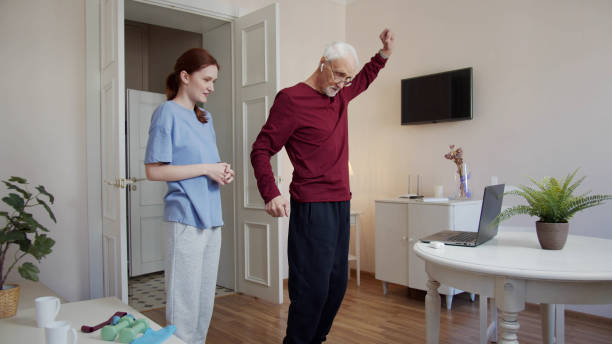
- Maintaining Mobility: One of the key challenges that old people often face is a decline in mobility. Regular physical activity is instrumental in preserving joint flexibility and overall mobility. Engaging in exercises that focus on improving joint range of motion, such as stretching routines or low-impact activities, can significantly contribute to maintaining mobility.
- Bone Health: Aging is associated with a natural decline in bone density, making more susceptible to fractures and conditions like osteoporosis for old age persons.. Weight-bearing exercises, such as walking, dancing, or resistance training, help maintain and even improve bone density, reducing the risk of fractures and enhancing overall bone health.
- Improved Cardiovascular Health: Cardiovascular health is crucial at any age, and can benefit from regular exercise to maintain a healthy heart. Activities like walking, swimming, or cycling contribute to improved cardiovascular function, reducing the risk of heart disease and enhancing overall stamina.
- Balance and Stability: Preserving balance and stability becomes increasingly important with age to prevent falls and injuries. Exercises that target balance, such as standing on one leg or practicing yoga, coupled with strength training, can significantly improve stability and reduce the risk of falls.
- Mental Well-being: Regular physical activity has a profound impact on mental health. Engage in exercise often report improved mood, reduced symptoms of depression, and enhanced cognitive function. Staying active can contribute to a positive mindset and overall well-being.
- Social Engagement: Fitness activities provide an excellent opportunity for social engagement. Joining group classes, participating in walking clubs, or engaging in recreational sports not only promotes physical health but also fosters a sense of community and connection, addressing potential feelings of isolation.
Tailored Fitness Tips
Discover a personalized approach to fitness tailored specifically for oldage pupils with Online Personal Training Sessions and fitness tips by the Lifesyle Trainer in UK. Embrace a journey that caters to your unique needs, ensuring a safe and effective exercise routine. Our expert trainers craft customized programs, focusing on strength, flexibility, and overall well-being. From the comfort of your home, embark on a fitness adventure designed to enhance your quality of life. Lets explore the power of tailored guidance and experience a healthier, happier lifestyle.
- Consult with Healthcare Professionals: Before embarking on a new exercise regimen, the oldage person should consult with their healthcare professionals or a professional lifestyle trainer. A thorough health assessment ensures that chosen activities align with individual health needs and any existing medical conditions.
- Start Slow and Gradual: For seniority who may be new to exercise or returning after a hiatus, it’s essential to start slowly and gradually. Begin with low-impact activities such as walking, swimming, or gentle stretching, gradually increasing intensity and duration as fitness levels improve.
- Incorporate Strength Training: Strength training is vital for maintaining muscle mass, bone density, and overall functionality. Incorporate resistance exercises using light weights, resistance bands, or bodyweight exercises to enhance strength and support daily activities.
- Flexibility and Stretching: Include flexibility exercises and stretching in your routine to maintain joint mobility and reduce stiffness. Yoga or tai chi, specifically designed for those who came to the seneority, are excellent options that combine gentle movements with deep breathing, promoting both flexibility and relaxation.
- Aerobic Exercise: Participate in aerobic exercises to improve cardiovascular health. Activities like brisk walking, swimming, or cycling at a moderate intensity are effective and can be adapted to individual fitness levels.
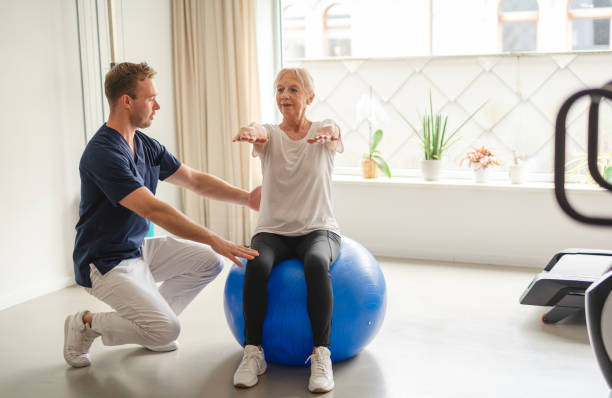
- Balance Exercises: Focus on exercises that enhance balance and stability. Standing on one leg, heel-to-toe walking, or using stability balls can help improve proprioception and reduce the risk of falls.
- Stay Hydrated: Proper hydration is essential, especially during exercise. Ensure that you drink enough water throughout the day to support overall health and prevent dehydration during physical activity.
- Listen to Your Body: Pay attention to how your body responds to exercise. If you experience pain, dizziness, or shortness of breath, it’s crucial to stop and consult with a healthcare professional. Listen to your body’s signals and adjust your exercise routine accordingly.
- Joint-Friendly Activities: Opt for joint-friendly activities to minimize impact. Swimming, water aerobics, and cycling are excellent choices that are gentle on the joints while providing an effective workout.
- Functional Exercises: Incorporate functional exercises that mimic daily activities. Squats, lunges, and leg lifts can improve strength and endurance for tasks like climbing stairs or getting up from a chair.
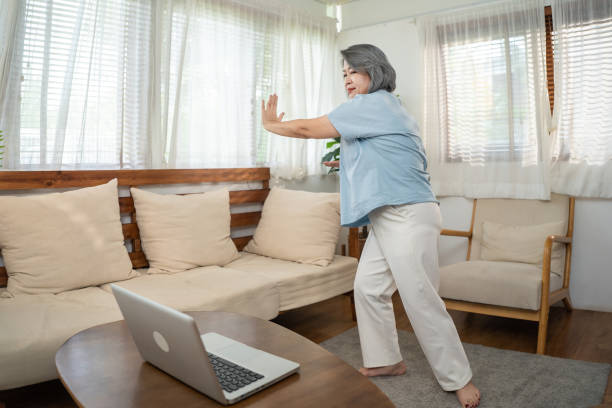
Tips for Success and Longevity
Discover practical advice and fitness tips on maintaining physical and mental well-being, fostering social connections, and embracing a positive mindset. From staying active to nurturing meaningful relationships, this guide offers invaluable insights to help oldage people lead vibrant, purposeful lives. Elevate your golden years with these tips, empowering you to embrace longevity and success in every aspect of your senior journey.
- Consistency is Key: Establishing a consistent exercise routine is essential for reaping the benefits of physical activity. Aim for at least 150 minutes of moderate-intensity aerobic activity per week, along with muscle-strengthening activities on two or more days.
- Warm-Up and Cool Down: Prioritize warm-up exercises to prepare your muscles and joints for activity. Cooling down with gentle stretches helps reduce muscle stiffness and enhances flexibility. These practices contribute to injury prevention.
- Incorporate Variety: Keep your workouts interesting and effective by incorporating a variety of exercises. Alternate between aerobic activities, strength training, flexibility exercises, and balance-focused routines to ensure a well-rounded fitness program.
- Adapt to Individual Needs: Recognize that each individual is unique, and exercise programs should be tailored to individual needs and preferences. Modify exercises based on your fitness level, and don’t hesitate to seek guidance from fitness professionals or physical therapists.
- Enjoy Social Activities: Combine physical activity with social engagement. Joining fitness classes, walking groups, or participating in community events not only enhances physical health but also provides an opportunity for social connection.
- Stay Positive and Motivated: Maintain a positive mindset and celebrate your achievements, no matter how small. Set realistic goals, track your progress, and stay motivated by focusing on the positive impact that exercise has on your overall health and well-being.
Conclusion
Age should never be a barrier to leading an active and healthy lifestyle. With the right approach and tailored fitness tips, older citizen can not only maintain but also enhance their physical and mental well-being. The benefits of staying active in later years extend beyond physical health, encompassing improved mood, cognitive function, and a sense of community.
As we embrace the philosophy that “age is just a number,” it becomes evident that a proactive approach to fitness is an investment in longevity and a fulfilling quality of life. By incorporating the suggested fitness tips for old people into daily routines, individuals can navigate the aging process with resilience, vitality, and a commitment to their overall well-being. Age truly becomes just a number when accompanied by a dedication to staying active, healthy, and engaged in life’s journey.
